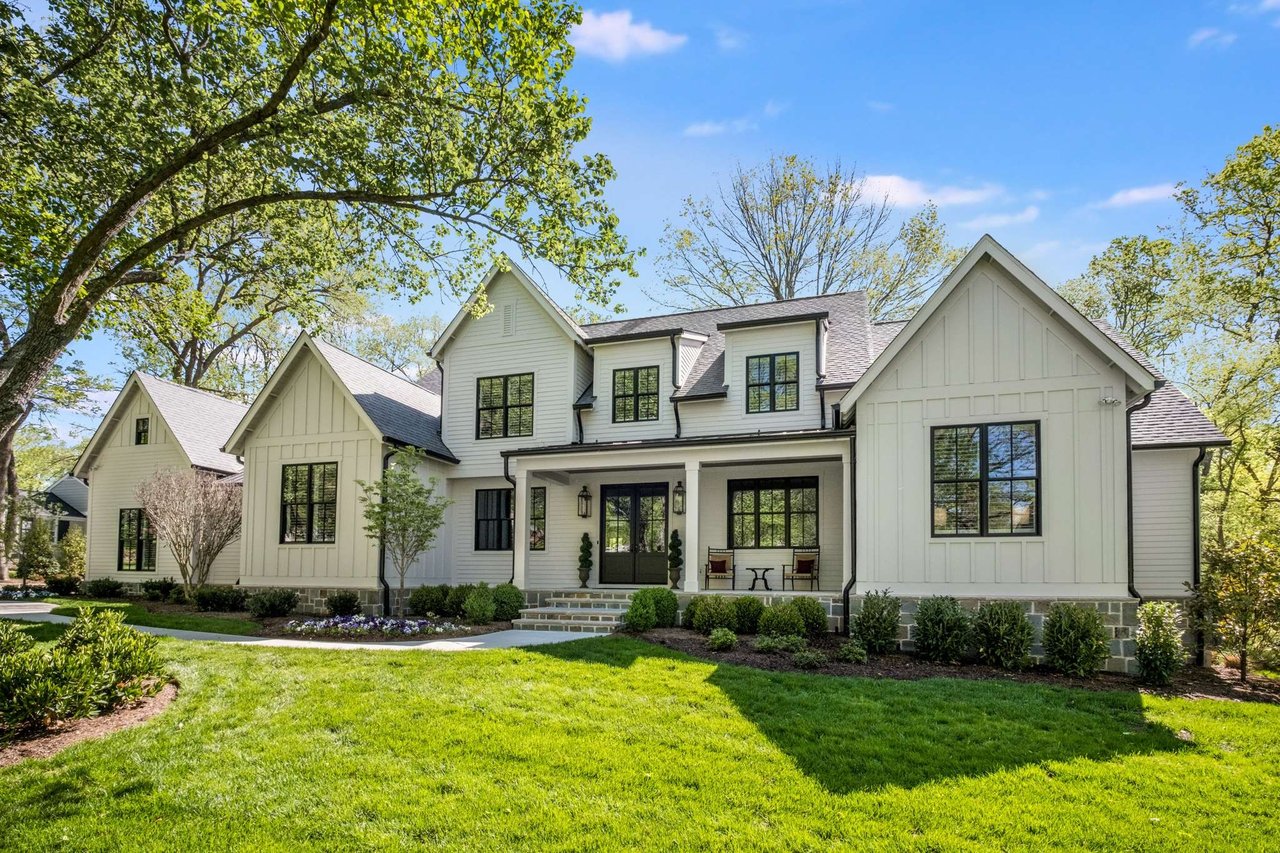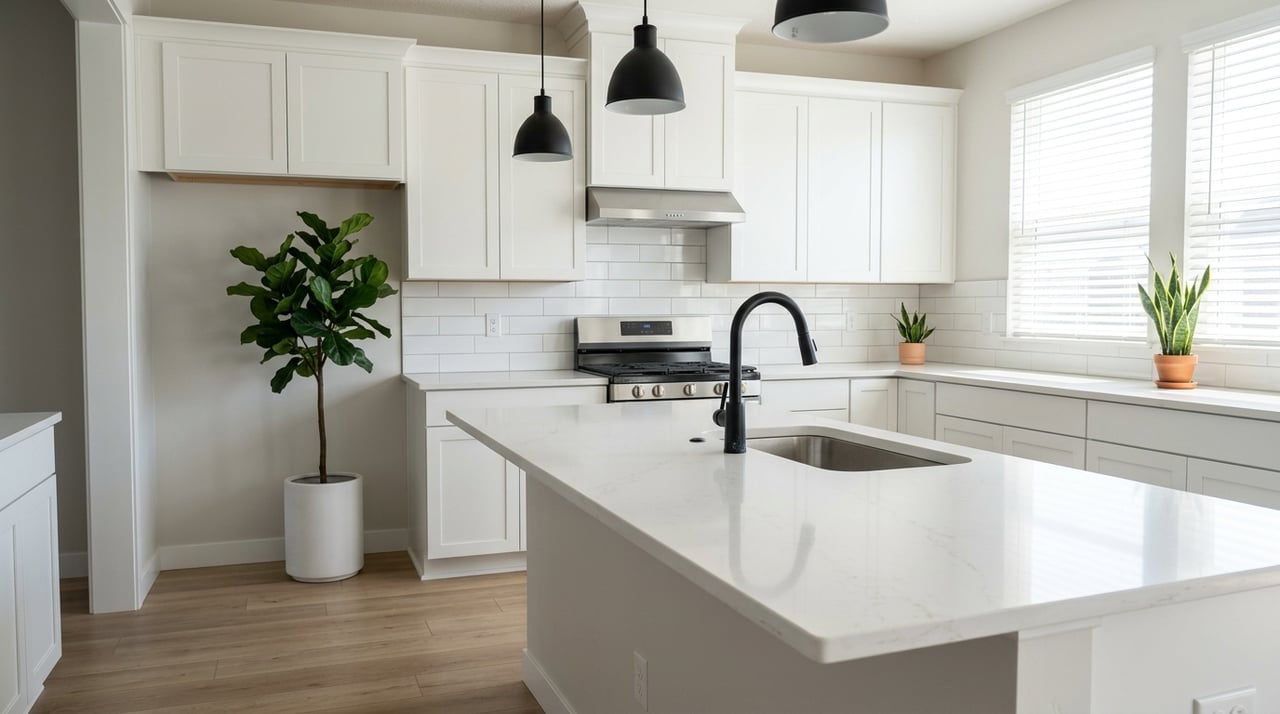
If you are thinking about buying new construction in Spring Hill, it is easy to focus on the floor plan and model home finishes first. But in this market, the bigger picture matters just as much. Before you sign anything, you need to understand how county lines, lot details, builder contracts, timelines, inspections, and ownership costs can affect your experience. Let’s dive in.
Spring Hill Is Not One Market
One of the most important things to know about Spring Hill is that 37174 spans both Maury and Williamson counties. That can affect school assignment, permit processing, and some local costs tied to the property and jurisdiction. The City of Spring Hill Development Services also handles plan review, permits, inspections, and code enforcement for residential construction.
That means when you buy new construction here, you are not only choosing a house. You are also choosing a homesite, a county, and a local approval path. Those details can shape everything from timing to fees to what you need to confirm before closing.
Compare Communities Carefully
Spring Hill new construction covers a wide price range and several property types. Current options include condo-style homes, traditional single-family homes, and luxury communities. For example, Preston Park offers one- and two-story condominiums from the mid-$200,000s with move-in ready options, while Toll Brothers at August Park was introduced with single-family homes from $1 million.
Other communities fall somewhere in the middle. Barton Hills starts at $399,990 and is selling in Phase 3, while Wilkerson Place has a final home available starting at $749,990. This is why it helps to compare communities based on home type, included features, phase of construction, and timing, not just price.
County and Location Questions Matter
Before you commit to a lot, confirm exactly which county the property is in. Spring Hill’s own permit materials require the county to be identified, and current communities in the area reference both Maury County and Williamson County locations. That can influence practical decisions for your move, including district verification and some fee-related questions.
If school assignment is important to your search, verify the property’s district directly before making a decision. Community marketing materials can give you a starting point, but your agent should help you confirm the lot-specific details before you move forward.
Lot Choice Affects More Than the View
In Spring Hill, lot selection is more than a lifestyle choice. According to the city’s Residential Construction Permit Checklist, builders must account for setbacks, easements, driveway location, utility locations, and pervious and impervious surface calculations.
That matters because a lot’s slope, drainage pattern, and utility setup can affect what gets built and what it costs. If a lot is in a floodplain, Spring Hill says a certificate of finished-floor elevation is required before a certificate of occupancy can be issued. In plain terms, one homesite may look similar to another on paper, but the build process and final costs may be very different.
Base Price vs. Real Price
Model homes can make every builder look similar at first glance. In reality, included features can vary quite a bit from one Spring Hill community to another. Preston Park says washer, dryer, refrigerator, and blinds are included, while other communities highlight features like gas cooking or tankless water heaters.
That is why you should ask for a clear breakdown of what is included in the base price and what counts as an upgrade. Appliances, window coverings, flooring packages, lot premiums, and structural options can all change your final number. A smart comparison is not just “Which model do I like?” but also “What do I actually get at this price?”
Review the Builder Contract Closely
A new construction contract is not something you want to skim. Tennessee’s consumer tips for hiring a contractor recommend a written contract that clearly spells out the start and completion dates, payment terms, change orders, cancellation rights, warranty information, and material or labor allowances.
The same state guidance also says the contractor should obtain the permit, and buyers should verify the contractor’s license and complaint history through the state. In Spring Hill, the permit application notes that contractor license and insurance are required for jobs of $25,000 and above. If terms feel unclear, it is worth slowing down and getting answers before you sign.
Expect Timelines to Vary
One of the biggest misconceptions about new construction is that every build follows the same timeline. In Spring Hill, that is simply not true. Some communities offer move-in ready homes, some have quick move-in inventory, some are down to final opportunities, and others are still rolling out future phases.
For example, Preston Park advertises move-in ready homes, Barton Hills has quick move-in opportunities, and Wilkerson Place is down to one final home. Your timeline will depend on whether the home is already complete, under construction, or still tied to a future homesite release. If you need to coordinate a sale, lease end, or relocation, this is one of the first questions to ask.
Budget for More Than the Purchase Price
The sales price is only part of the financial picture. According to Fannie Mae’s homebuying cost guide, closing costs typically run about 2% to 5% of the purchase price, and earnest money deposits are often 1% to 3%. HOA or condo fees may also apply, depending on the community and property type.
Spring Hill also has local fee considerations tied to development and permits. The city published a 2026 roadway impact fee update showing a single-family detached fee of $3,758 effective January 1, 2026, and permit materials require proof that the Maury or Williamson County adequate facilities tax has been paid. Ask early which costs are built into the price and which are paid separately.
Yes, You Should Still Get an Inspection
A brand-new home can still have issues, and that is why an independent inspection matters. HUD encourages buyers to hire an independent home inspector, and Tennessee says a licensed home inspector is an independent professional who performs a visual evaluation of the property.
A home inspection is not required by law before a sale or mortgage, but that does not mean you should skip it. It is often wise to schedule an inspection before closing and keep a close eye on the home during the first year. That way, if workmanship issues show up, you can address them while the builder warranty is still in effect.
Understand the Warranty Terms
Builder warranties can be helpful, but they are not all the same. The Federal Trade Commission explains that many builder warranties offer about one year of coverage for workmanship and materials, two years for systems like HVAC, plumbing, and electrical, and sometimes up to 10 years for major structural defects.
The FTC also notes that a home warranty is usually a separate paid service contract and is not the same as a builder warranty. That is an important distinction. Before you close, ask for the warranty documents in writing and learn how claims are handled, what is excluded, and when coverage periods begin.
A Smart Spring Hill Buying Checklist
If you want to make a confident decision, focus on these key questions before you commit:
- Which county is the home in?
- What is included in the base price?
- Are there lot premiums or upgrade costs?
- What is the current build stage or move-in timeline?
- Who is responsible for permits and approvals?
- What local fees or taxes apply?
- What does the builder warranty cover?
- When should you schedule independent inspections?
These questions help you compare homes more accurately and avoid surprises later. In a market like Spring Hill, they can also help you see past polished model-home marketing and focus on the details that affect your day-to-day ownership.
Why Local Guidance Helps
Buying new construction sounds simple on the surface, but there are a lot of moving parts behind the scenes. In Spring Hill, you are evaluating not just a home design, but also county placement, homesite conditions, permit requirements, contract terms, included features, timeline risk, and long-term costs.
That is where practical guidance can make a real difference. If you want a second set of eyes on builder terms, lot considerations, or upgrade choices, Andy Lusk REALTOR® can help you sort through the details and move forward with more confidence.
FAQs
What should you know before buying new construction in Spring Hill?
- You should confirm the county, compare included features, review the builder contract, understand the homesite, budget for added costs, and plan for an independent inspection.
Does county location matter for a Spring Hill new build?
- Yes. Spring Hill spans Maury and Williamson counties, and county location can affect school assignment, permit details, and some fee-related considerations.
Can you inspect a brand-new home in Spring Hill?
- Yes. HUD encourages buyers to hire an independent inspector, even for new construction.
What extra costs can come with new construction in Spring Hill?
- Beyond the purchase price, you may need to budget for earnest money, closing costs, HOA or condo fees, lot premiums, upgrades, and certain local fees tied to development and permitting.
Are move-in timelines the same in every Spring Hill community?
- No. Timelines vary based on whether the home is move-in ready, quick move-in, under construction, or part of a future phase release.