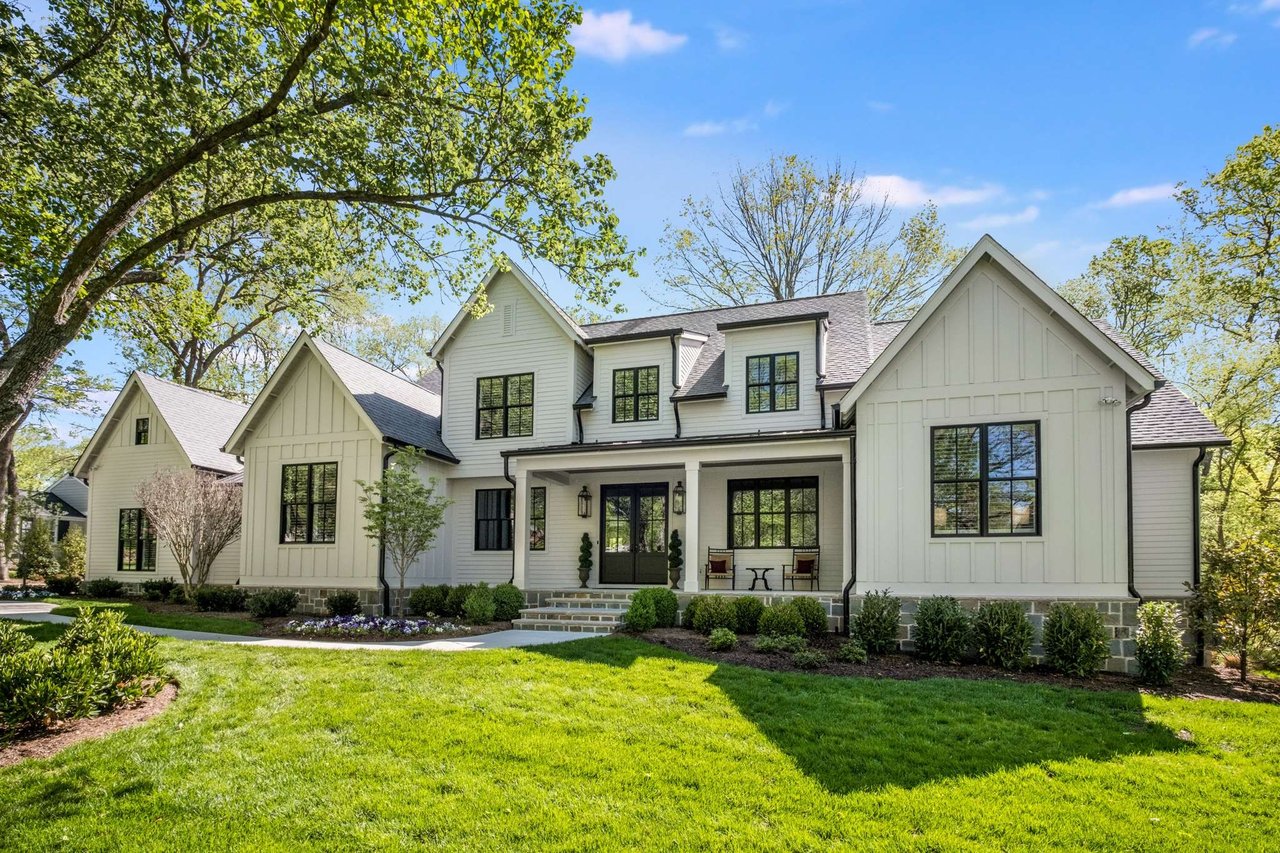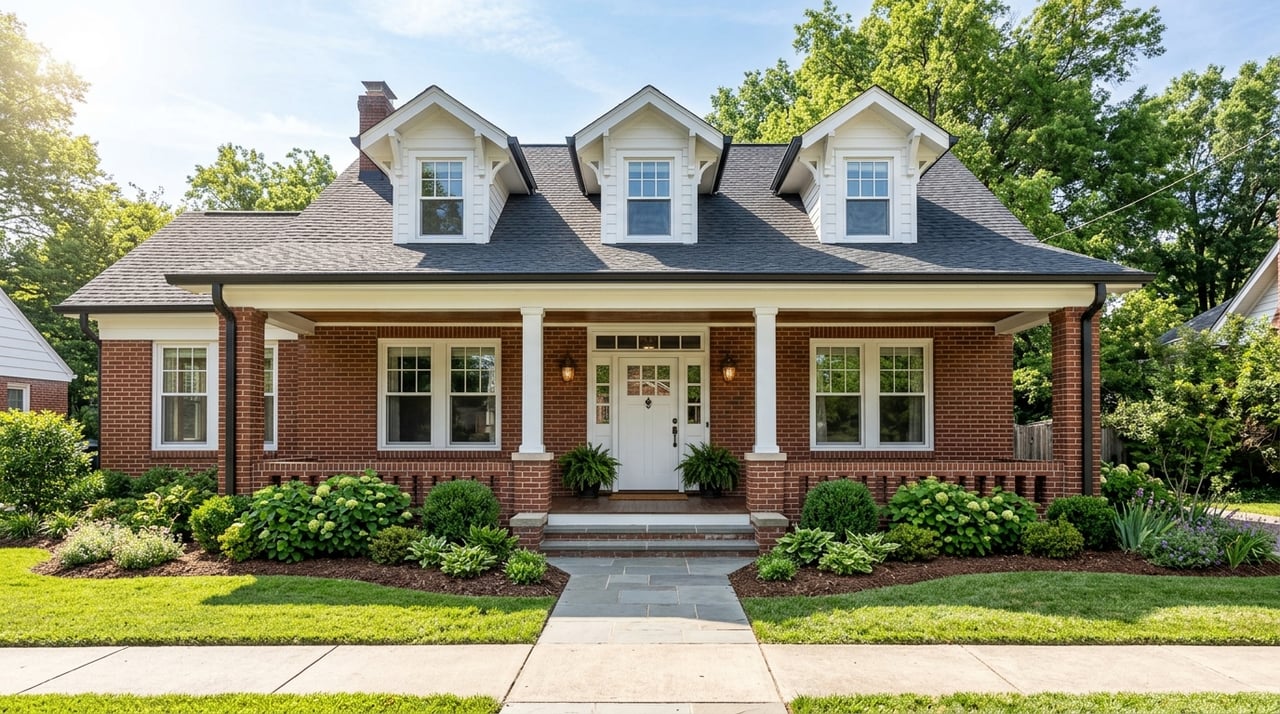
Thinking about renovating an older home in East Nashville? It is easy to get excited about tile, paint colors, and kitchen layouts, but older homes often have bigger priorities hiding behind the walls. If you start in the right order, you can protect your budget, preserve the home’s character, and make smarter decisions for daily living or future resale. Let’s dive in.
Why East Nashville Renovations Need a Plan
East Nashville is known for its creative feel and historic housing stock, with many homes dating back to the early 1900s. According to Visit Nashville’s East Nashville neighborhood overview, the area is filled with older homes and long-established neighborhood character.
That charm is a big part of the appeal, but it also means renovations can come with extra layers. In parts of East Nashville, your home may fall within a historic overlay district, which can affect exterior changes, additions, and other visible work. That is why a renovation plan here should start with research and feasibility, not just design ideas.
Check Historic Overlay Status First
Before you finalize plans, find out whether your property is in a historic overlay district. Metro Nashville notes that work in these districts may require review by the Historic Zoning Commission, and some projects need a preservation permit before work begins.
This matters most for exterior changes. If you are planning to alter windows, expand the footprint, change setbacks, or add to the house, the approval path may be very different from a typical remodel. Checking this early can save you time, redesign costs, and avoid code issues later.
Start With Safety and Core Systems
Cosmetic updates should come after the basics. In an older East Nashville home, your first dollars usually go furthest when they address safety, structure, and major systems.
Start by evaluating:
- Roof condition and active leaks
- Drainage around the home
- Electrical service and wiring
- Plumbing supply and drain lines
- HVAC age and performance
- Moisture issues in crawl spaces, basements, or walls
If the home was built before 1978, lead-based paint is also an important first check. The EPA recommends using a lead-safe certified contractor for renovation, repair, or painting work that disturbs painted surfaces.
Understand Nashville Permit Requirements
Permits are not something to figure out halfway through the project. Metro Nashville requires permits for interior renovations, and separate permits and inspections may apply for electrical, plumbing, gas, and mechanical work. You can review the city’s single-family renovation permit guidance before you begin.
For many homeowners, this is where project scope starts to become clearer. A simple cosmetic refresh is one thing, but moving walls, changing systems, or adding square footage brings a different level of paperwork and coordination. It is smart to understand that process before you lock in a contractor or order materials.
Prioritize Energy and Envelope Work
Once safety and permits are addressed, look at how the house performs. Older homes often have less insulation and more air leakage than newer homes, which can make them less comfortable and more expensive to run.
The U.S. Department of Energy recommends a home energy audit to identify where air sealing and insulation improvements can make the biggest difference. For an older home, this step helps you decide whether to tackle attic insulation, weather sealing, or other efficiency upgrades before spending heavily on finishes.
Focus on Updates Buyers Notice
If resale value is part of your goal, it helps to know which projects tend to matter most. The 2025 NAR Remodeling Impact Report found that REALTORS® most often recommend improvements like whole-home painting, new roofing, kitchen upgrades, and bathroom renovations before selling.
That does not mean you need a full gut renovation. In many older homes, smaller visible updates can do more for appeal than a major expansion, especially when the home already has strong character and a good layout.
Best First Updates for Older Homes
A practical renovation shortlist often includes:
- Fresh interior and exterior paint where appropriate
- Front door replacement or refresh
- Roof repair or replacement if needed
- Functional kitchen improvements
- Bathroom updates focused on cleanliness and usability
- Repairing original features instead of automatically replacing them
According to NAR, a new steel front door had an estimated 100% cost recovery, while closet renovations, window replacements, and kitchen improvements also performed well in owner satisfaction or cost recovery measures. That is a strong reminder that practical, visible work often goes further than overbuilding.
Preserve Character Where You Can
One of the biggest mistakes in an older-home renovation is stripping out the details that made the house appealing in the first place. Original windows, trim, doors, and millwork often add value through character, especially in a neighborhood known for historic homes.
Metro’s historic-zoning guidance emphasizes repair and maintenance for original windows, noting that well-maintained historic windows with storm windows can perform comparably to replacements while preserving the home’s look. In many cases, thoughtful repair is the better long-term move than a quick replacement decision.
Build a Realistic Budget
Older homes can surprise you, so your budget should have breathing room. Even if your wish list starts with finishes, your actual spending may shift once you open walls or address code-required work.
National benchmarks can help with early planning. Houzz reported a median spend of $55,000 for a major kitchen remodel and $20,000 for a minor kitchen remodel in its 2026 kitchen study, while its 2025 bathroom study reported a $13,000 median bathroom remodel and $22,000 for a major bathroom remodel. These are not East Nashville quotes, but they can help you pressure-test your expectations.
A Simple Phasing Strategy
For many East Nashville older homes, this order makes the most sense:
- Safety, structural concerns, and core systems
- Energy efficiency and building envelope improvements
- Kitchens, bathrooms, paint, and visible condition updates
- Additions or major reconfigurations after zoning and permit review
This kind of phased plan helps you protect the house first, then improve comfort, then invest in appearance and resale appeal.
Choose the Right Contractor
The right contractor matters just as much as the renovation list. In Davidson County, Tennessee says a Home Improvement license is required for residential remodeling projects from $3,000 to less than $25,000, while a contractor’s license is required for projects at $25,000 or more. You can review the state’s consumer contractor tips before hiring.
NAR also advises homeowners to get referrals, interview at least three contractors, gather bids, and research companies carefully. For an East Nashville older home, the best fit is often a contractor who understands permits, can work through historic-overlay requirements if needed, and knows how to handle pre-1978 lead-safe renovation practices.
Match the Renovation to Your Goal
Not every renovation should be approached the same way. If you are renovating for your own use, you may value comfort, layout, and efficiency most. If you are preparing to sell, you may want to focus more tightly on visible condition, deferred maintenance, and updates that appeal to a broad pool of buyers.
This is where local, property-specific guidance matters. A home with great bones may need mostly system updates and cosmetic cleanup, while another may need a more cautious approach because of permitting, historic review, or cost versus resale value.
If you are weighing whether to renovate, sell as-is, or phase improvements over time, talking through the numbers and likely buyer response can save you from over-improving. That kind of planning is especially helpful in older neighborhoods where character, condition, and compliance all play a role.
When you want practical advice on renovation potential, resale strategy, or what buyers are likely to notice first, Andy Lusk REALTOR® can help you think through your next move with a clear, local perspective.
FAQs
What should I renovate first in an older East Nashville home?
- Start with safety and core systems like the roof, drainage, electrical, plumbing, HVAC, and moisture issues before cosmetic work.
Do East Nashville homes need permits for renovation work?
- Yes, many interior renovations require Metro permits, and electrical, plumbing, gas, and mechanical work may need separate permits and inspections.
How do I know if my East Nashville home is in a historic overlay?
- Check with Metro Nashville before planning exterior work, because homes in historic overlay districts may need Historic Zoning Commission review or a preservation permit.
Should I replace original windows in an older East Nashville house?
- Not always. Metro historic guidance emphasizes repair and maintenance, and properly maintained historic windows with storm windows can preserve character while supporting efficiency.
What renovations help resale most in an older Nashville home?
- According to NAR, strong first projects often include whole-home painting, roof work, kitchen updates, bathroom improvements, and curb-appeal items like the front door.
How should I budget for an older-home renovation in East Nashville?
- Use a phased plan, expect surprises, and treat national kitchen and bath cost studies as planning benchmarks rather than fixed local pricing.