If you are getting ready to sell in Brentwood, it is easy to wonder whether you need a full renovation to compete. The good news is that you probably do not. In a premium market where buyers have choices, the homes that stand out are usually the ones that feel clean, cared for, and easy to buy. This guide will help you focus on the updates that matter most, avoid over-improving, and prepare your Brentwood home for a confident sale. Let’s dive in.
Understand Brentwood buyer expectations
Brentwood remains a high-value market, with recent public data showing median or typical values ranging from about $1.4 million to $1.78 million depending on the source. Days on market also vary by source, landing roughly between 24 and 92 days, while sale-to-list ratios sit around 96.6% to 98%. The overall message is consistent: homes are still moving, but buyers expect strong presentation and solid upkeep.
That matters because you are not preparing for a fire-sale environment. You are preparing for a market where buyers can compare several attractive options. In Brentwood, that usually means your best return comes from fixing visible issues, refreshing what feels dated or worn, and making the home feel turnkey.
Focus on repair and refresh first
If your sale is coming soon, think triage instead of transformation. Large remodels often cost more than they return, especially when their appeal depends on personal taste. A cleaner, sharper, better-maintained home usually does more for buyer confidence than a major upscale project started right before listing.
National 2024 Cost vs. Value data supports that approach. Garage door replacement showed a 194% ROI, steel entry door replacement 188%, and manufactured stone veneer 153%. By comparison, a minor kitchen remodel recouped 96%, a bath remodel 74%, vinyl window replacement 67%, asphalt roof replacement 57%, a major upscale kitchen remodel 38%, and an upscale primary suite addition 24%.
For most Brentwood sellers, that points to a simple strategy:
- Repair obvious defects first
- Refresh highly visible surfaces
- Improve curb appeal
- Skip major discretionary remodels unless they solve a real problem
Start with the fixes buyers notice fast
Buyers tend to react quickly to anything that signals deferred maintenance. Scuffed walls, worn caulk, stained grout, dripping faucets, and noisy HVAC systems may seem small on their own, but together they can make a home feel less move-in ready. Zillow also notes that turnkey homes sell for 2.9% more than expected, which reinforces the value of getting the basics right.
A smart pre-listing punch list often includes:
- Interior paint touch-ups or full repainting where needed
- Re-caulking tubs, showers, and backsplashes
- Grout cleaning or repair
- HVAC service
- Gutter cleaning and drainage checks
- Replacing burned-out bulbs
- Fixing sticking doors, loose hardware, and squeaky hinges
- Repairing cracked trim, damaged drywall, or worn flooring transitions
These are not flashy upgrades, but they help your home read as maintained. In a market like Brentwood, that can make a real difference in how buyers and inspectors respond.
Put curb appeal near the top
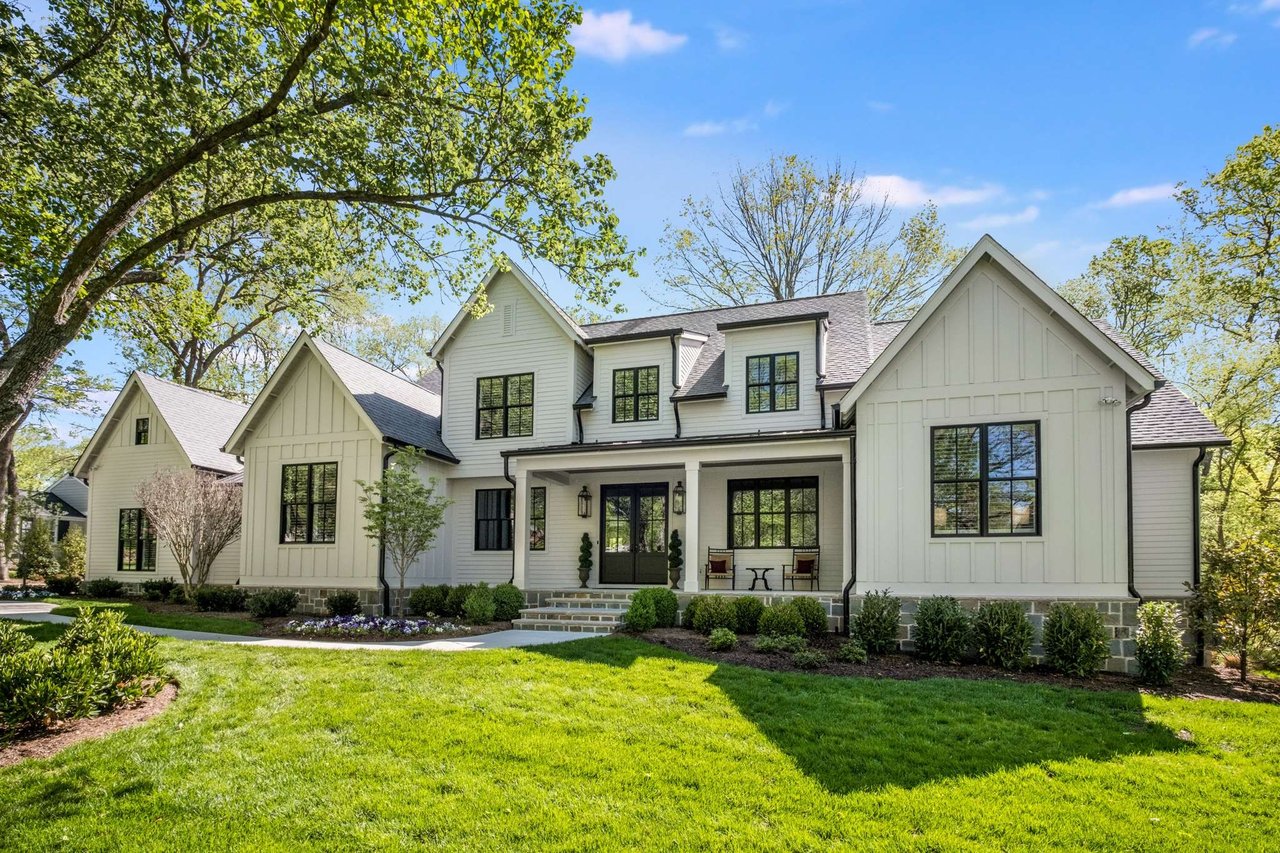
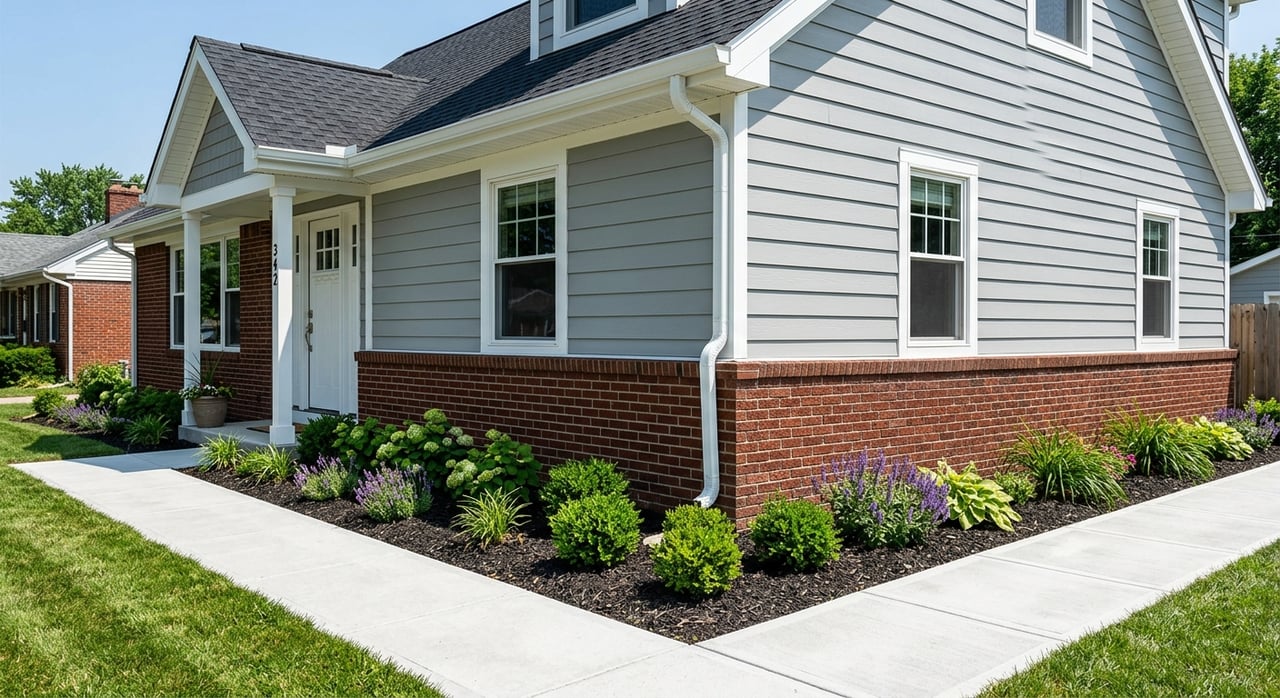
First impressions still matter, especially in a higher-price market. Buyers often decide how confident they feel about a home before they ever walk through the front door. That is one reason exterior-focused projects tend to perform so well in ROI studies.
You do not need elaborate landscaping to improve curb appeal. You usually need a neat, intentional look that tells buyers the property has been cared for.
Prioritize these exterior items:
- Pressure washing siding, walks, and driveways if appropriate
- Fresh mulch and trimmed shrubs
- A clean front porch and entry
- Updated or freshly painted front door if needed
- Garage door repair or replacement if the current one looks tired
- Visible, readable house numbers
- Lawn care, seeding, or sod where the yard looks thin
Brentwood’s residential final inspection checklist even calls out visible house numbers and a seeded or sodded yard. While that checklist is for permitted construction rather than resale, it is still a helpful reminder that basic exterior order and safety matter.
Be strategic with kitchens and baths
Sellers often ask whether they should remodel the kitchen before listing. Usually, the answer is no if your timeline is short. Minor, targeted improvements tend to make more sense than a full upscale remodel.
That could mean painting cabinets, replacing dated hardware, updating light fixtures, repairing damaged countertops, or improving the look of the backsplash and grout. In bathrooms, simple changes like fresh paint, new mirrors, updated faucets, and re-caulking can go a long way without the cost of a full renovation.
The goal is not to create your dream kitchen. The goal is to remove distractions and help buyers see a clean, functional, attractive space.
Consider a pre-inspection
A pre-inspection can give you more control before your home hits the market. Zillow recommends it as a way to catch problems early, which can help you decide what to repair, what to disclose, and how to price and position the home.
This can be especially helpful if your home has older systems, deferred maintenance, or past improvements that may raise questions. Learning about issues before a buyer does can reduce surprises, rushed repairs, and stressful negotiations later.
Watch for Brentwood-specific repair issues
Some of the most important pre-listing items are not cosmetic. They are the safety, drainage, and code-related issues that can raise red flags during inspections or buyer due diligence.
Brentwood’s residential final inspection checklist highlights several items worth reviewing:
- Drainage should slope away from the foundation by 6 inches in 10 feet
- Egress doors and landings should be code-compliant
- Deck attachment and stair safety matter
- Garage-located water heaters should have ignition sources at least 18 inches above the floor
- Window egress and fall-protection requirements may apply
- Streets should be free of debris
Even if your home is not new construction, these items offer a practical roadmap for common concerns. If you know you have a deck issue, drainage problem, or questionable stair rail, it is often better to address it before buyers build it into their offer or inspection request.
Check permits and paperwork early
In Brentwood, permit details matter more than many sellers realize. The city allows permit applications to be submitted electronically, and it specifically states that window replacement is not exempt from permit application, review, and issuance. Electrical and low-voltage permits and inspections are handled through the State of Tennessee, and homeowners may pull a plumbing permit to do work on their own home.
If you have replaced windows, added a deck, finished space, or completed other significant work, gather your records before listing. Permit closeout documents, invoices, warranties, and contractor information can help answer buyer questions and reduce doubt.
That documentation also matters because Tennessee sellers generally must provide either a residential property disclosure statement or an as-is disclaimer, and disclosures must address known material defects. Keeping a clear record of what was repaired and when makes that process easier and more accurate.
Be careful with older homes
If your Brentwood home was built before 1978, lead-safe rules may affect your prep work. EPA rules apply to renovation, repair, and painting work that disturbs painted surfaces beyond certain thresholds, and window replacement is one of the covered activities. Brentwood’s window replacement guidance also asks for EPA Certified Renovator and Firm Certification documentation on pre-1978 structures.
If your home falls into that category, do not treat prep work casually. Make sure the right contractor is handling the work and that the documentation is in order.
Stage for how buyers shop now
Condition matters, but presentation matters too. According to NAR’s 2025 staging report, 29% of agents saw a 1% to 10% increase in offered value from staging, and 49% of sellers’ agents said staging reduced time on market. The most common recommendations were decluttering, cleaning the entire home, and improving curb appeal.
The rooms buyers cared about most were the living room, primary bedroom, and kitchen. If you are deciding where to spend your time and money, start there.
A practical staging plan usually includes:
- Removing extra furniture to improve flow
- Clearing countertops and open shelving
- Deep cleaning every room
- Using neutral bedding and towels
- Simplifying wall art and decor
- Organizing closets and pantry spaces
- Adding light, bright accessories where needed
NAR also reported a median staging-service cost of $1,500 when the seller paid for staging. That does not mean every seller needs full-service staging, but it does show that presentation can be a relatively modest investment compared with a major remodel.
Pair preparation with strong marketing
Once your home is ready, marketing quality becomes part of the prep strategy. Zillow reports that 78% of sellers were more likely to hire an agent who includes high-resolution photography, 71% were more likely to hire an agent who includes virtual tours, and 64% said virtual tours were extremely important.
In a market like Brentwood, polished visuals help buyers compare your home favorably online before they ever book a showing. That is especially important when buyers are balancing finish quality, layout, and condition across multiple listings.
Use a simple pre-listing game plan
If you want to stay focused, use this order of operations:
- Walk the home like a buyer and note visible defects
- Schedule a pre-inspection if the home has likely trouble spots
- Tackle repairs tied to safety, function, and maintenance
- Refresh paint, caulk, grout, lighting, and hardware
- Improve curb appeal and tidy the exterior
- Gather permits, warranties, and repair records
- Declutter, deep clean, and stage key rooms
- Launch with strong photography and a clear pricing strategy
This approach helps you spend where it counts while avoiding projects that add stress without adding enough value.
Aim for clean, current, and easy to close
The best-prepared Brentwood homes usually do not feel overbuilt or over-renovated. They feel cared for. Buyers want to see a home that looks clean, functions well, shows proudly, and comes with fewer unanswered questions.
That is why the smartest pre-listing work is often the least dramatic. When you focus on visible repairs, practical updates, curb appeal, staging, and documentation, you make it easier for buyers to say yes with confidence.
If you want practical guidance on what to fix, what to skip, and how to position your home for today’s Brentwood market, Andy Lusk REALTOR® can help you build a clear plan before you list.
FAQs
Should I remodel my kitchen before selling a Brentwood home?
- Usually not if you plan to sell soon. Minor kitchen improvements typically make more sense than a major upscale remodel when you are preparing for market.
Is staging worth it for a Brentwood home sale?
- Often, yes. Staging can help buyers visualize the home, and NAR reports it can improve offered value and reduce time on market.
Should I get a pre-inspection before listing my Brentwood home?
- It is often a smart move, especially if your home has older systems, visible wear, or past repairs that may come up during buyer inspections.
Do I need permits for window replacement in Brentwood?
- Yes. Brentwood states that window replacement is not exempt from permit application, review, and issuance.
What repairs matter most before selling a Brentwood home?
- Focus first on visible defects, maintenance items, safety concerns, drainage issues, curb appeal, and the rooms buyers notice most, including the living room, primary bedroom, and kitchen.