If you want lake access without jumping straight into full waterfront ownership, Donelson, Hermitage, and Old Hickory deserve a closer look. This part of Davidson County gives you options near two major lakes, a mix of older and newer homes, and plenty of ways to enjoy the water without assuming every nearby address comes with shoreline rights. If you are thinking about buying here, it helps to understand how the lakes differ, what the housing stock really looks like, and which property questions matter most before you make an offer. Let’s dive in.
Why lake living here feels different
Donelson, Hermitage, and Old Hickory sit between J. Percy Priest Lake and Old Hickory Lake, but those two lakes do not function the same way. J. Percy Priest Lake has 14,200 surface acres at summer pool and stretches about 42 miles, with commercial marinas, day-use areas, and campgrounds. Old Hickory Lake is larger at 22,500 acres, with eight commercial marinas, 41 boat access sites, and designated swim beaches.
For buyers, that difference shapes daily life more than you might expect. Percy Priest often feels more seasonal and tied to recreation-pool operations, while Old Hickory tends to feel steadier and more access-rich. That can affect how often you use the lake, what kind of access matters to you, and how you compare one neighborhood to another.
Lake proximity is not lake rights
One of the biggest mistakes buyers make in this area is assuming a home near the water offers the same benefits as a true lake-access or lakefront property. In reality, being close to the lake is very different from having private shoreline rights, dock access, or approved shoreline use. Public access areas, marinas, and Corps-managed recreation sites mean you may have great water access nearby without owning any direct rights yourself.
That distinction matters during showings and contract negotiations. A home with a water view, a short drive to a marina, or a lot that backs up toward the shoreline may still have limits on what you can build, use, or change. If lake access is part of your buying goal, you want to verify exactly what comes with the property, not what seems implied by the location.
What the housing mix looks like
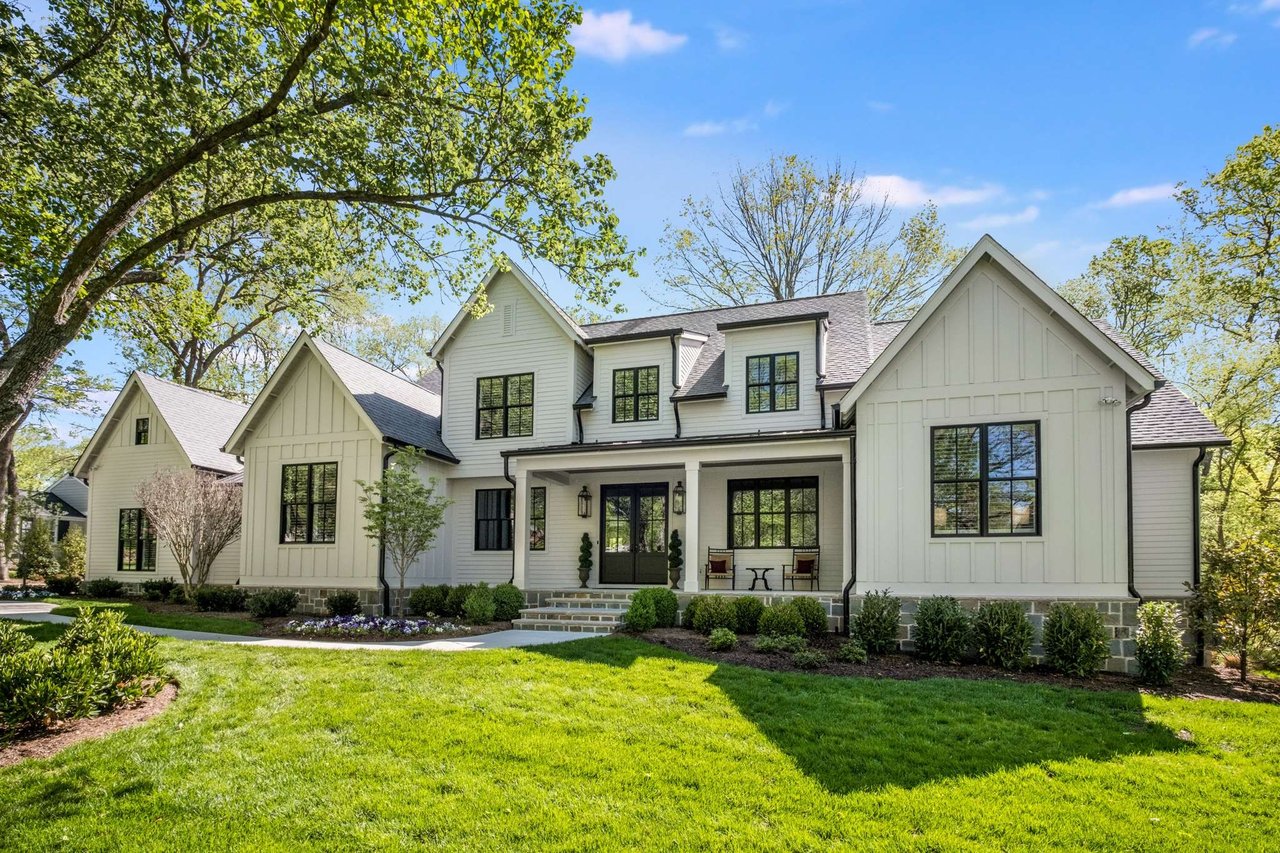
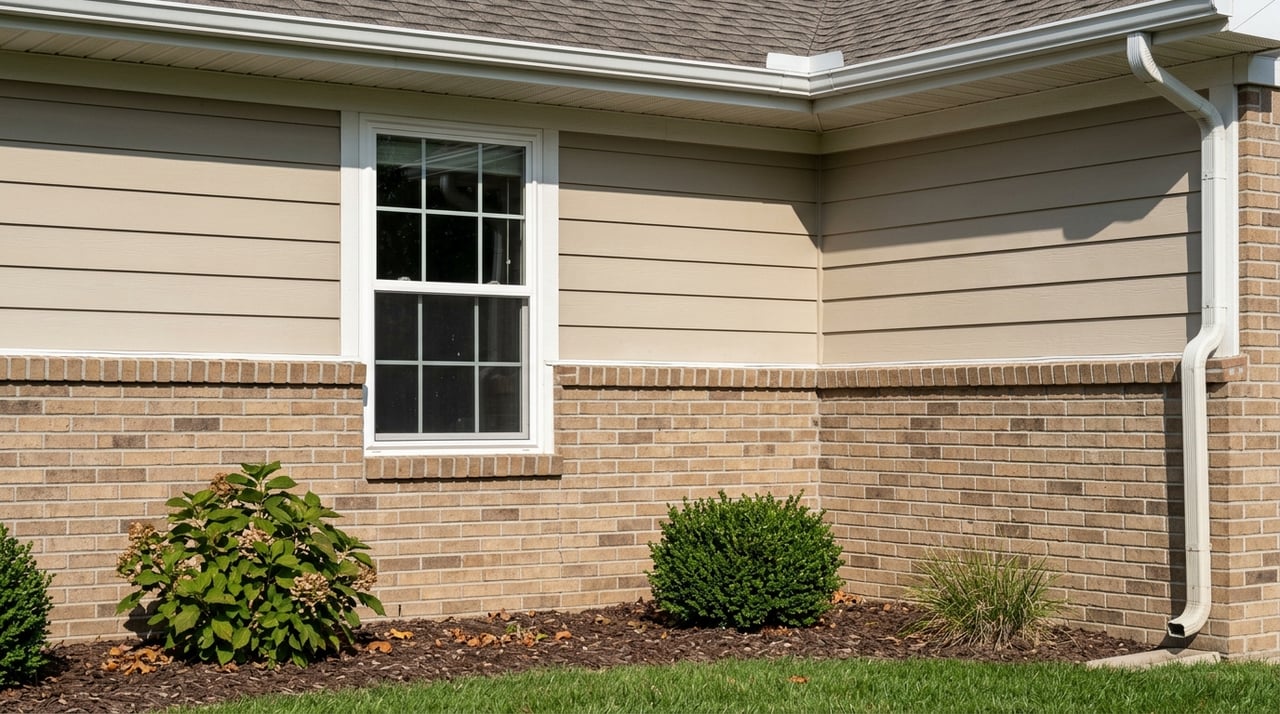
This area is not one-note, and that is part of its appeal. You will find prewar pockets, postwar ranch homes, subdivision-era houses, and newer infill depending on the block and neighborhood. That variety gives buyers more choices, but it also means two homes with similar list prices can come with very different maintenance needs and renovation questions.
Donelson grew heavily after World War II. Historic survey materials note first subdivisions appearing in 1947 and 1948, followed by 17 more single-family subdivisions between 1950 and 1957. Metro materials also show suburban growth spreading through Hermitage and Old Hickory in the 1950s.
Old Hickory has deeper roots. The community developed around industrial history tied to the Old Hickory Works purchase in 1918, with the Old Hickory Triangle serving as the commercial core through the 1920s to 1940s. That earlier timeline helps explain why Old Hickory can feel different from a typical postwar suburb.
Recent ACS 2024 5-year data for the broader Donelson, Hermitage, and Old Hickory census area reinforces the suburban profile. The area has 55,153 housing units, 62% single-unit structures, 52% owner-occupied units, and a median owner-occupied value of $367,600. Detached homes are still the dominant housing type, but not the only option.
Expect more than single-family streets
If you picture nothing but ranch homes and split-levels, the market may surprise you. Metro planning materials for Old Hickory Village include single-family cottages and townhomes, and some parts of the broader community-plan area carry added design standards. You may see classic detached homes, cottage-style infill, and small townhome pockets depending on exactly where you search.
That variety is helpful if your priorities are changing. You might want a yard and garage today, a lower-maintenance setup later, or a home that works well for aging in place without leaving the area entirely. The key is matching the property type to how you want to live near the lakes, not just to a zip code search.
Check overlays before planning updates
In this part of Nashville, location can affect more than commute and lake access. Some pockets have extra design rules that can shape future remodels, additions, or exterior changes. Downtown Donelson has a UDO, and Old Hickory Village is one of Metro’s contextual overlays.
If you are buying a home with plans to renovate, expand, or make visible exterior changes, this is worth checking early. A project that seems straightforward at first glance may require added review depending on the property’s overlay or historic context. That does not mean you should avoid these areas, but it does mean you should go in with clear expectations.
Older homes need smart due diligence
Many buyers love the character and lot sizes that come with older homes in Donelson, Hermitage, and Old Hickory. That can be a great fit, especially if you appreciate solid neighborhoods and the chance to personalize a home over time. But older housing also calls for a more careful look at condition, compliance, and future project costs.
For homes built before 1978, lead-based paint is one of the main age-related concerns. EPA guidance says pre-1978 homes are more likely to contain lead-based paint, and most housing from that era falls under the Lead-Based Paint Disclosure Rule. If renovation or repair work disturbs painted surfaces, lead-safe practices may be required unless testing confirms the paint is lead-free.
That is why buyers should ask direct questions. If you are considering a 1930s, 1950s, or 1970s home, ask whether any lead inspection, paint testing, or lead-safe renovation work has already been done. That information can affect your renovation budget, timeline, and comfort level.
Floodplain review matters near the water
Lake-area buying is not only about views and recreation. It is also about understanding floodplain and drainage conditions, especially for homes near low-lying lots, shoreline edges, or creek corridors. Metro Nashville requires local permits for all development in Special Flood Hazard Areas, and floodplain rules can affect what owners can build or change.
Metro also states that grading permits are needed for land-disturbing activity over 10,000 square feet, building permits are required for additions and new structures, finished floors in the floodplain must sit four feet above the 1-percent-annual-chance flood elevation, and floodway development is generally prohibited. For a buyer, the takeaway is simple: verify flood-map status before you get too attached.
This is especially important if you are comparing a flatter lot near the lake with a more elevated home a few streets back. The closer property may feel more attractive at first, but drainage, permitting, and future improvement limits can change the long-term picture.
Shoreline rules can affect lake-edge plans
If you are shopping for a property that touches or closely borders the lake, shoreline review deserves its own category. On Corps reservoirs, shoreline use approvals fall under the USACE shoreline-management framework. That means your plans for access, improvements, or use may depend on rules beyond the property line itself.
Old Hickory Lake’s shoreline management plan is designed to balance permitted private use with environmental protection, and the plan is being updated through 2026 public workshops. Old Hickory Lake is also described by USACE as having minimal water-level fluctuations. By contrast, J. Percy Priest is managed on a seasonal recreation-pool schedule, and release schedules can change without notice.
For you as a buyer, this affects how you think about docks, shoreline improvements, and usability over time. A construction-minded review can help separate a property with real long-term utility from one that simply looks promising on listing photos.
Best questions to ask at showings
The right questions can save you from expensive surprises later. In this market, the most useful showing questions usually relate to age, permits, water risk, and the difference between public access and private rights. They help you move beyond curb appeal and into the practical side of ownership.
Here are a few smart questions to ask:
- What year was the home built?
- Has any pre-1978 paint been tested, stabilized, or remediated?
- When were the roof, HVAC, water heater, windows, and electrical panel last replaced?
- Has any addition, deck, retaining wall, or drainage work been permitted?
- Is there evidence of water intrusion, settlement, or recurring moisture?
- If the home is near the lake, is access private, shared, or only through public areas?
These questions are especially useful in Donelson, Hermitage, and Old Hickory because the market blends older homes, varied lot conditions, and lake-adjacent expectations. A pretty house near the water can still come with compliance issues or project costs that are easy to miss if nobody asks the right follow-up questions.
Why construction insight helps buyers here
In a market like this, a buyer’s agent who understands houses beyond surface finishes can add real value. The difference between a cosmetic project and a more complicated one often comes down to lead-safe practices, floodplain rules, shoreline approvals, or permit history. Those are not small details when you are trying to judge cost, timeline, or resale risk.
That is especially true if you are relocating, buying remotely, or considering a home that needs updates. A practical, construction-aware approach helps you look past staging and spot the things that can affect ownership after closing. It also helps you compare opportunities more clearly when one home needs simple refreshes and another may involve a deeper compliance-sensitive project.
How to buy near the lakes with confidence
The best way to approach this area is with clear priorities. Decide whether your main goal is public lake access, a true lake-edge property, an older home with character, or a lower-maintenance option near recreation. Once you know that, it becomes much easier to sort listings that fit your lifestyle from listings that only sound close on paper.
Donelson, Hermitage, and Old Hickory offer a lot to like: access to two major lakes, a wide range of housing styles, and neighborhoods with distinct personalities. But the smartest purchases here usually come from careful verification, not assumptions. If you ask the right questions early, you can find a home that fits how you want to live and avoid surprises after closing.
If you want help comparing lake-area homes, sorting through older-house questions, or evaluating what a property might really require, reach out to Andy Lusk REALTOR®. You will get practical guidance grounded in the local market and in the real-world details that matter when you buy.
FAQs
What is the difference between living near J. Percy Priest Lake and Old Hickory Lake?
- J. Percy Priest Lake tends to feel more seasonal and recreation-pool driven, while Old Hickory Lake generally offers steadier conditions, more marinas, more boat access sites, and designated swim beaches.
What should you verify before buying a lake-area home in Donelson, Hermitage, or Old Hickory?
- You should confirm whether the property has private shoreline rights, shared access, or only nearby public access, and also review floodplain status, permit history, and any shoreline-use limitations.
Why do older homes in Donelson, Hermitage, and Old Hickory need extra review?
- Many homes in the area were built before 1978, so buyers should ask about lead-based paint testing or lead-safe renovations, along with the age and condition of major systems and any past updates.
Are there design or remodeling rules in parts of Donelson and Old Hickory?
- Yes. Some pockets have added planning or design standards, including Downtown Donelson’s UDO and contextual overlay areas in Old Hickory Village, so buyers should check rules before assuming exterior changes will be simple.
What are the most important showing questions for homes near the lakes in Davidson County?
- Ask about build year, lead-paint testing for older homes, replacement dates for major systems, permits for additions or drainage work, signs of moisture or settlement, and whether lake access is private, shared, or public only.