Torn between a porch-front Victorian near Main Street and a turnkey new build with a shiny warranty? You are not alone. Franklin offers both rich historic character and modern, low-maintenance living, and each path comes with different costs, rules, and timelines. In this guide, you will learn how the two options compare in Franklin, what to expect with renovations and permits, and a simple checklist to help you decide. Let’s dive in.
Franklin market snapshot
Home prices in Franklin are among the highest in Middle Tennessee. Recent snapshots from major data providers show a typical median ranging roughly from the mid $800s to above $1.1M, depending on who is counting and the month measured. Different sources define Franklin’s boundaries and property types in different ways, which is why you see a range rather than one number. The takeaway is simple: budget and lifestyle goals should guide where you focus, not just the median.
Downtown and the Franklin Historic District give you classic streetscapes and walkability to the square. Out on the edges, master-planned communities offer newer homes, community amenities, and modern floor plans. Your day-to-day routine and appetite for projects will shape which side fits you best.
What you get in a historic home
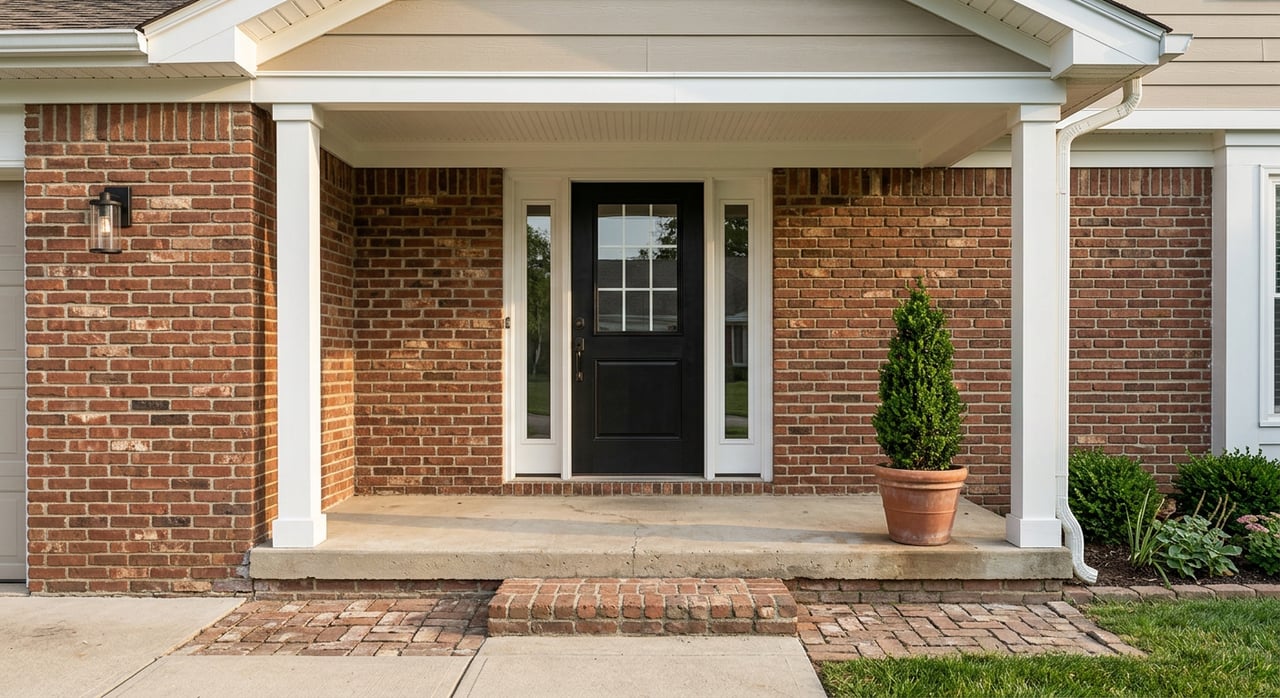
Historic neighborhoods around Main Street, Hincheyville, and nearby districts feature architectural styles like Federal, Greek Revival, Italianate, Victorian, and early Craftsman. These periods deliver the character many buyers want, from deep front porches and detailed millwork to mature trees and irregular, charming floor plans. You can explore the area’s documented styles in the National Register files for the Franklin Historic District for a deeper feel of the era and fabric (Franklin Historic District overview).
You also get an established neighborhood rhythm. Blocks are compact, lots are varied, and downtown amenities are close. If you enjoy walking to coffee, festivals, or the theater, this setting can be a great fit.
What you get in a new build
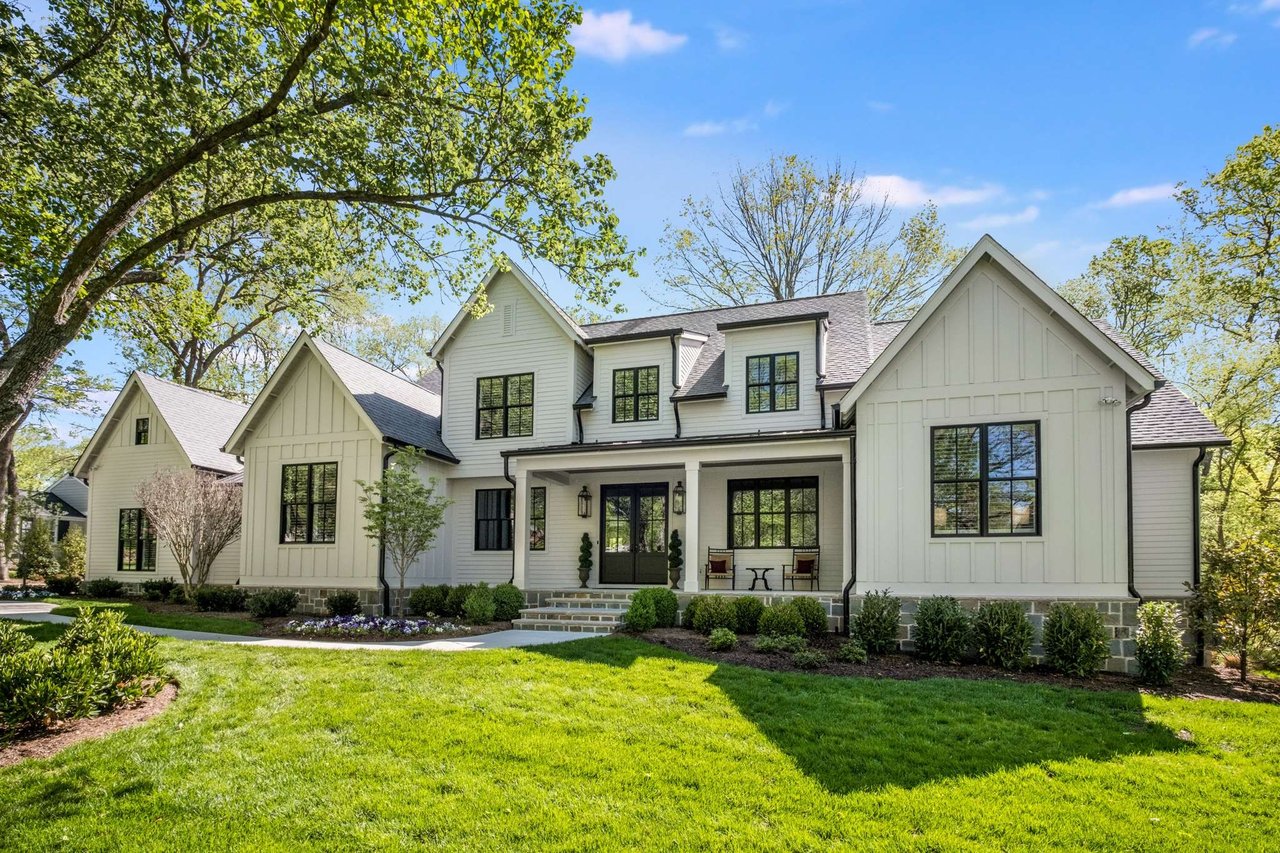
New construction around Franklin usually means open kitchens, large islands, flexible bonus rooms, generous primary suites, and energy-efficient systems. Many new-home purchases include builder-backed coverage such as a 1-year workmanship warranty, 2-year systems warranty, and a 10-year structural warranty, often provided through third-party programs like 2-10 Home Buyers Warranty (new-home warranty basics). That coverage can keep surprise costs low in the early years.
You will often find HOA-maintained common areas, pools, trails, and clubhouses in master-planned communities. The tradeoff is that finishes can be more standardized and HOA rules may shape how you customize your exterior.
Rules and timelines in historic districts
If a property is within Franklin’s Historic Preservation Overlay or a local historic district, exterior changes usually require a Certificate of Appropriateness (COA). The Historic Zoning Commission reviews visible exterior work such as additions, window and door changes, siding or masonry updates, new porches, dormers, and many site elements. Expect extra time for design review, drawings, and materials documentation before permits are issued. Start by reviewing the city’s guidance and getting familiar with what needs approval (COA and historic preservation overview). The city’s Historic District Design Guidelines explain how to plan compatible work and what the review focuses on (proportions, materials, and placement) (Design Guidelines).
Maintenance, safety, and real costs
Older homes can carry deferred maintenance and health or safety updates. If the home predates 1978, assume possible lead-based paint. Renovations that disturb painted surfaces in pre-1978 homes must follow the EPA’s Renovation, Repair and Painting rules for safe handling and cleanup (EPA RRP overview).
Budget for big-ticket items. As a ballpark for Middle Tennessee, a full asphalt roof replacement on a typical single-family home often falls around the $10,000 to $25,000 range, with complex designs and premium materials costing more (roof replacement cost basics). Whole-house rewiring and service upgrades, if needed in older homes, can be disruptive and reach into five figures. HVAC system replacements commonly fall in the mid four to low five figures, depending on capacity and complexity. Get written quotes from local contractors for anything you plan to tackle.
New homes have their own long-term costs, but they usually start with modern mechanicals, current insulation standards, and code-compliant wiring and plumbing. That can reduce early repair surprises, and warranties further limit your exposure during the first years.
Renovation financing options
If you love a historic home but need to fund updates, you can use a renovation mortgage that wraps purchase and improvements into one loan. Common paths include the FHA 203(k) program and Fannie Mae’s HomeStyle Renovation. The 203(k) has limited and standard versions depending on scope, while HomeStyle allows a broad range of project types under conventional guidelines. These loans add steps such as contractor documentation, appraisals based on the completed project, and draw inspections, so build extra time into your closing timeline.
If you plan to pursue historic tax incentives, note that the federal 20 percent Historic Rehabilitation Tax Credit is designed for certified historic buildings used for income-producing purposes, not owner-occupied single-family residences. The Tennessee Historical Commission is your point of contact for program details and eligibility (Tennessee Historic Tax Credit program).
Insurance and taxes to consider
Insurance carriers often price older homes differently based on roof age, wiring, plumbing, and heating systems. Modern updates and receipts can help you secure better rates. It is smart to get written quotes before you finalize your offer so you know your true monthly costs (insuring older homes guide). Property taxes are set locally each year, so confirm current rates for the property you are considering.
Neighborhood feel: a quick tour
- Historic core: Main Street, the Franklin Historic District, Hincheyville, and nearby streets. Expect classic architecture, mature streetscapes, and close access to local shops and events.
- Village setting: Leiper’s Fork and surrounding countryside. You will see historic cottages and farm properties with a small-village feel.
- New communities: Master-planned areas near Cool Springs and beyond. You will find modern layouts, sidewalks, amenities, and HOA-maintained spaces.
When to choose which
- Choose a historic home if you want authenticity, walkable downtown access, and are comfortable budgeting for repairs and design review. You are trading convenience for unique character and location.
- Choose a new build if you want low-maintenance living, predictable timelines, and warranties on major systems. You are trading some one-of-a-kind detail for modern comfort and simpler upkeep.
Your Franklin buyer checklist
Use this checklist as you tour homes. Ask for written answers and keep copies for your file.
- Historic overlay check: Is the property inside a local Historic Preservation Overlay or historic district? If yes, confirm whether a COA is required for the work you plan (Franklin COA and preservation).
- Year built and lead safety: Was the home built before 1978? If yes, assume potential lead paint and follow EPA RRP rules during renovations (EPA RRP consumer guide).
- Permits and receipts: Can the seller provide permits and receipts for roof, HVAC, electrical, and plumbing work? Unpermitted work can affect resale and insurance (Franklin permits portal).
- Inspection depth: Has a recent whole-house inspection been done, plus any needed specialist reports such as electrical, structural, or termite? Request copies.
- Historic elements: For historic homes, which exterior features are original and which were altered? Review the city’s Historic District Design Guidelines to gauge what is considered compatible (Design Guidelines).
- Renovation financing: If you plan significant work, discuss FHA 203(k) or Fannie Mae HomeStyle Renovation with your lender and ask for timelines and documentation requirements.
- Big-ticket estimates: Get written contractor quotes for likely items. As a reference point, review local roof replacement cost ranges (roof replacement cost basics). Add a 10 to 20 percent contingency for surprises.
- Insurance quotes: Request written homeowners insurance quotes early, and ask how roof age and system updates affect premiums (insuring older homes guide).
- Tax incentives fit: If you are exploring historic credits, confirm the property is income-producing and meets state and federal requirements before you assume eligibility (Tennessee Historic Tax Credit program).
- Neighborhood fit: Spend time in the area at different hours. Test the drive, parking, noise, and access to the amenities you care about most.
Ready to weigh your options with a local, construction-savvy advisor? Whether you are deciding between a new build or a historic home, you deserve clear numbers, a plan for permits, and a smooth path to closing. Reach out to Andy Lusk REALTOR® for hands-on guidance and neighborhood insight across Middle Tennessee.
FAQs
What are the main cost differences between new and historic homes in Franklin?
- New builds usually have fewer early repairs and include warranties, while older homes may need roof, wiring, or HVAC updates that can add up quickly.
How does Franklin’s Certificate of Appropriateness process affect my renovation timeline?
- If your home is in a historic district, visible exterior changes need HZC review and a COA, which adds time for design, documentation, and approvals before permits.
Can I use renovation loans to update a historic home I buy in Franklin?
- Yes, products like FHA 203(k) and Fannie Mae HomeStyle can combine purchase and renovations into one loan, but expect extra lender steps and draw inspections.
Do historic homes cost more to insure in Williamson County?
- They can, especially with older roofs or outdated systems, so request written quotes early and use documented updates to help improve rates.
Which Franklin neighborhoods offer historic character versus newer builds?
- For historic character, look near Main Street and Hincheyville; for newer builds and amenities, explore master-planned communities in the greater Franklin area.