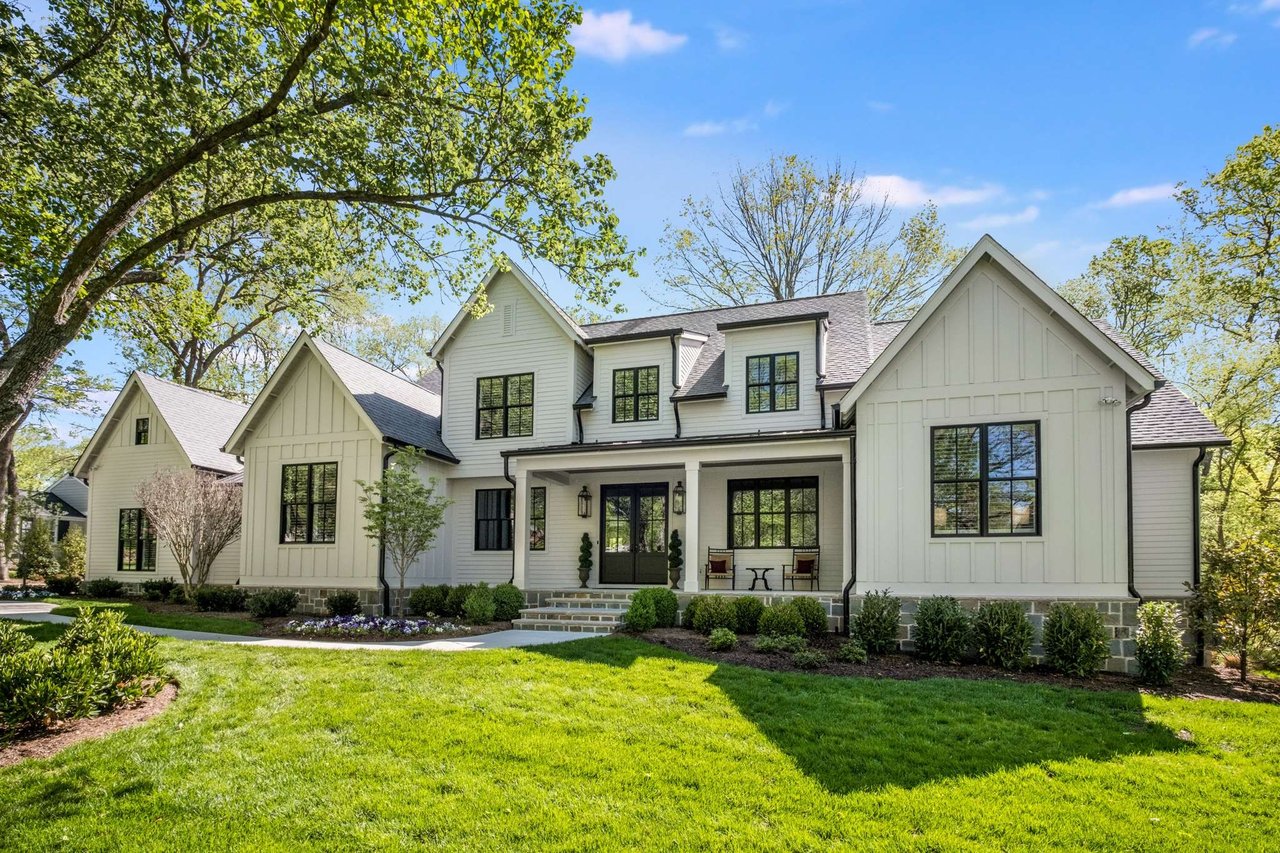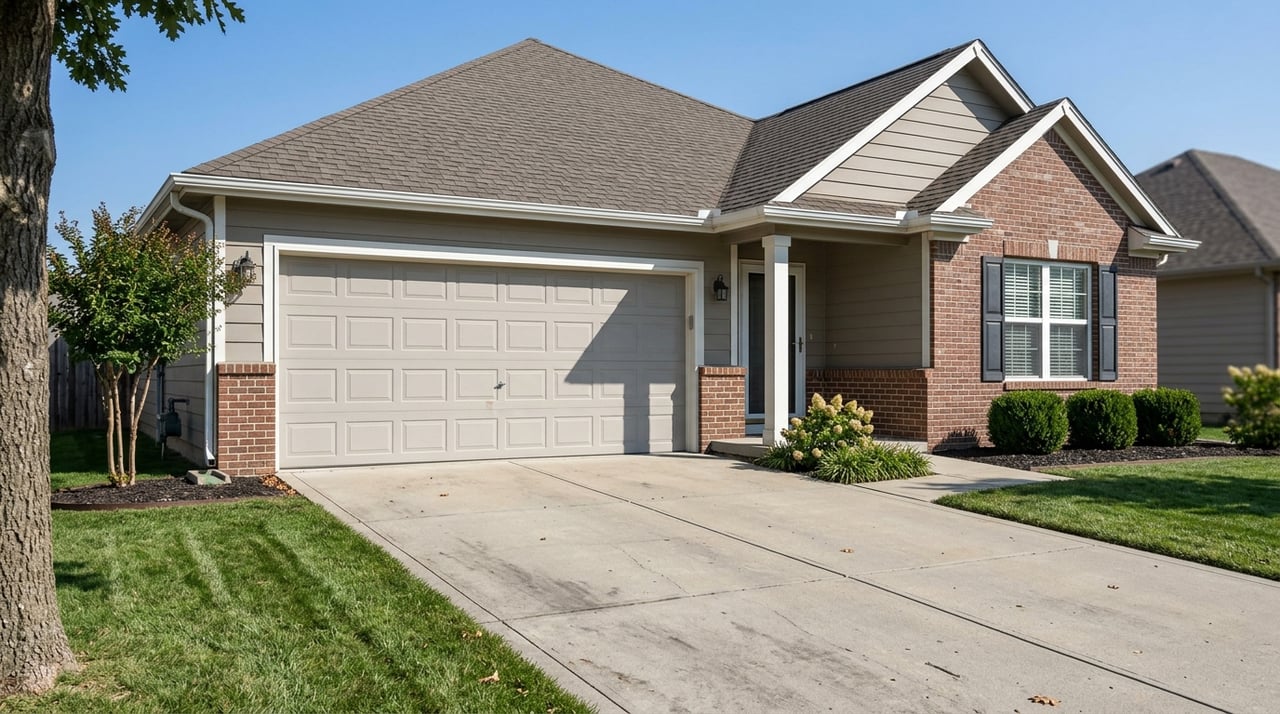
If you are house hunting in Gallatin, one of the biggest decisions may have nothing to do with bedrooms or paint colors. It may come down to whether you feel more at home in a newer subdivision or an established neighborhood. Both can be great fits, but they offer different lifestyles, tradeoffs, and planning realities. This guide will help you compare the two in a practical way so you can move forward with more confidence. Let’s dive in.
Gallatin Growth Shapes Your Options
Gallatin is growing quickly, and that growth affects where and how homes are being built. The U.S. Census Bureau estimates Gallatin’s population at 54,590 in July 2025, which is up 22.8% from April 2020. In the same data set, the median value of owner-occupied homes was $372,000, and median household income was $77,518.
That pace of growth helps explain why Gallatin offers such a mix of housing choices. Some areas reflect older street patterns and long-established homes, while others are being shaped by newer planning and development. The city’s long-range planning work is designed to manage growth, preserve resources, and guide where development will happen over the next 20 years.
For you as a buyer, that means neighborhood choice is not just about the home itself. It is also about how the area functions today and how it may continue to change. In Gallatin, that distinction is especially important.
What Newer Neighborhoods Often Offer
Newer subdivisions in Gallatin often appeal to buyers who want a more recently planned setting. The city’s subdivision regulations govern projects that create multiple lots or new road right-of-way, and the review process includes a sketch plan, a preliminary plat with a master utility plan, and a final plat. That final plat is what creates the lots and dedicates streets and easements.
In practical terms, that means newer neighborhoods are usually built with formal city review of layout and infrastructure. Gallatin’s development review materials show that larger projects may need to address water and sewer lines, drainage conveyances, grading, erosion control, sidewalks, landscaping, screening barriers, and lighting fixtures. If you like the idea of systems being planned from the start, that can be a real plus.
Another factor is neighborhood form. Gallatin is in the middle of a zoning code update, and newer neighborhoods may reflect changing standards around sidewalks, street layout, lighting, and overall character. The city’s draft code includes character districts that range from lower-density large-lot areas to more urban-style districts with tighter street networks, sidewalks, street lights, and regular tree spacing.
That does not mean every new neighborhood will look or feel the same. It does mean you may want to pay close attention to how a specific subdivision is laid out. Sidewalk coverage, street connectivity, lot spacing, and the feel of the streetscape can vary more than many buyers expect.
HOA Rules Matter in Newer Areas
Many newer neighborhoods also come with homeowners’ associations or recorded covenants. Under Tennessee law, those rules can be broad and may include dues, architectural standards, use limits, easements, and resale-related restrictions. Before you make an offer, it is worth reviewing those documents carefully.
This is one area where details matter. Two neighborhoods with similar homes and price points can feel very different once you compare monthly or annual dues, exterior rules, parking limits, or approval requirements for future projects. If you are someone who wants flexibility for fencing, additions, or exterior changes, this step is especially important.
What Established Neighborhoods Often Offer
Established neighborhoods in Gallatin usually bring a different kind of appeal. In many cases, they connect more closely to the city’s history, older street grids, and long-standing community patterns. Downtown Gallatin, centered on the Public Square, remains the heart of the city and includes the courthouse and nearby historic streets.
If access and character matter to you, older parts of Gallatin may stand out. Downtown includes shops, restaurants, the library, the museum, walking tours, the farmers market, and recurring events. The Town Creek Greenway also connects the civic center, Triple Creek Park, Historic Woodson Terrace, and downtown, which can make some established areas feel more connected to daily amenities.
Historic Woodson Terrace is one example of an established area tied to Gallatin’s past. The city says the district was built from the late 19th century to the mid-20th century and includes primarily single-family homes. In some historic districts, certain exterior work may require Historic Commission review and a Certificate of Appropriateness.
That review process is not necessarily a drawback, but it is something to understand upfront. If you love older homes and want to renovate, you should know whether the property falls within a historic district and what that may mean for future exterior changes.
Lot Sizes and Layout Can Vary
Established neighborhoods are not all alike. Gallatin’s planning documents describe some older in-town areas as having narrower, smaller lots, while other established suburban areas have wider lots and larger yards. So if you say you want an established neighborhood, it helps to get more specific about what that means to you.
You might be looking for a compact block pattern near downtown. Or you may prefer an older suburban pocket with more yard space and a quieter layout. In Gallatin, both can fall under the umbrella of established neighborhoods.
Maintenance Is a Key Part of the Decision
One of the biggest practical differences between newer and established homes is maintenance. Established homes often need a closer review for deferred upkeep, repair items, and possible renovations. Tennessee Healthy Homes guidance says the residential disclosure statement should cover known defects, the age of the home, and issues such as flood or drainage problems.
That means you should read disclosures carefully and plan for a thorough inspection. Depending on the home, you may need to budget for updates or repairs related to roofing, HVAC, plumbing, electrical systems, or interior finishes. Even if a home is charming and well located, the condition side of the equation still matters.
It is also worth remembering that newer does not mean maintenance-free. A newer home may reduce the odds of immediate big-ticket updates, but you still want to understand drainage, grading, warranty status if applicable, and any ongoing HOA obligations. Every property has its own maintenance story.
How Location Can Change Daily Life
The right neighborhood is often the one that supports how you want to live day to day. In Gallatin, that can show up in small but meaningful ways, like how close you are to the public square, whether sidewalks connect to nearby destinations, or how easy it is to reach parks and greenway trails.
Established areas closer to downtown may offer easier access to civic spaces, local businesses, and community events. Newer neighborhoods, especially in growth corridors, may offer a more recently built setting but may also be located in areas still being shaped by city planning. Gallatin has specifically identified development pressure along Nashville Pike from SR 109 to East Camp Creek, with mixed-use potential while preserving residential character.
For you, this comes back to priorities. If you want to be near the city core and established amenities, older neighborhoods may have the edge. If you prefer newer infrastructure and a recently developed layout, a newer subdivision may fit better.
A Simple Way to Compare Both
If you are torn between the two, use a side-by-side comparison before you commit to a showing schedule or offer strategy.
| Compare This | Newer Neighborhoods | Established Neighborhoods |
|---|---|---|
| Infrastructure | Often reviewed as part of newer subdivision and site planning | May reflect older street layouts and older utility or drainage patterns |
| Rules and restrictions | More likely to include HOA dues or covenant controls | May have fewer HOA rules, but some areas may involve historic-district review |
| Walkability and access | Varies by subdivision design and location | Often stronger near downtown, the greenway, and civic amenities |
| Lot pattern | May reflect newer planning standards and evolving zoning character | Can range from narrow in-town lots to larger established suburban lots |
| Maintenance outlook | Usually newer systems and finishes, but still needs review | Often needs closer inspection for age, updates, and deferred maintenance |
This kind of comparison helps keep emotions in check. A beautiful kitchen or big backyard can grab your attention, but the neighborhood structure around the home often shapes your experience just as much.
Questions to Ask Before You Choose
Before you decide between a new or established neighborhood in Gallatin, make sure you review the basics that most affect your budget and comfort level.
- What are the HOA dues and restrictions, if any?
- How much sidewalk coverage does the neighborhood have?
- What does drainage look like on the lot and street?
- Is the home in a historic district?
- Is there permit history for major updates or additions?
- How does the lot size compare with nearby homes?
- Are there signs of deferred maintenance or needed upgrades?
These checks matter in both newer and older parts of Gallatin. They just tend to show up in different ways.
The Best Choice Depends on You
There is no universal winner between newer and established neighborhoods in Gallatin. A newer subdivision may suit you if you want recently planned infrastructure, predictable neighborhood standards, and a more current layout. An established neighborhood may suit you if you want closer access to downtown, the greenway system, older homes, or a more traditional street pattern.
The smartest move is to match the neighborhood type to your daily routine, your maintenance comfort level, and the kind of setting that feels right to you. When you compare these factors clearly, the right choice usually becomes much easier to see.
If you want help weighing newer subdivisions against established neighborhoods in Gallatin, Andy Lusk REALTOR® can help you compare the details that matter most, from home condition and renovation potential to neighborhood fit and long-term value.
FAQs
What is the main difference between newer and established neighborhoods in Gallatin?
- Newer neighborhoods often offer recently planned infrastructure, possible HOA rules, and evolving subdivision design, while established neighborhoods often offer older street patterns, closer access to downtown amenities, and homes that may need more maintenance review.
Are newer Gallatin subdivisions reviewed by the city before they are built?
- Yes. Gallatin’s subdivision process includes multiple review stages, including planning for lot layout, utilities, and final plat approval that creates lots and dedicates streets and easements.
Do established Gallatin neighborhoods always have larger lots?
- No. Gallatin planning documents show that some established in-town neighborhoods have narrower, smaller lots, while some established suburban areas have wider lots and larger yards.
What should buyers review in a newer Gallatin neighborhood with an HOA?
- You should review dues, architectural rules, use restrictions, easements, and any resale-related limits before making an offer.
What should buyers watch for in an older Gallatin home?
- You should pay close attention to disclosures, inspection findings, drainage issues, and the age or condition of major systems like roofing, HVAC, plumbing, and electrical.
Can historic district rules affect a home in an established Gallatin neighborhood?
- Yes. In some Gallatin historic districts, certain exterior work may require Historic Commission review and a Certificate of Appropriateness.